

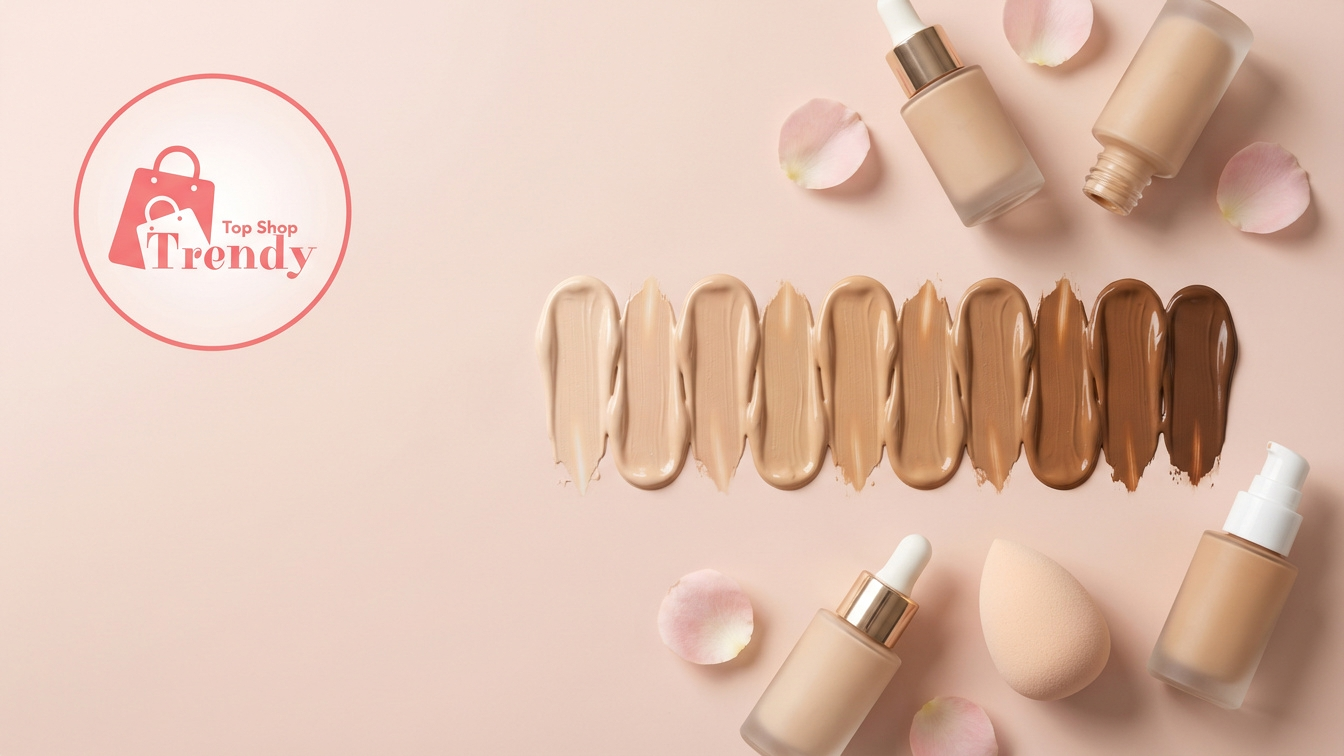
Picking a foundation looks easy until you stand in front of a shelf with twenty shades that all seem close to your skin. You choose one, get home, and it either leaves a grey cast, turns orange by afternoon, or stops neatly at your jawline like a mask.
If that sounds familiar, you are not alone. Pakistani skin comes in a wide range, from fair to deep, and most of us have warm, olive or neutral undertones that many shade charts do not describe very well. The good news is that finding your match is a skill you can learn in a few minutes. This guide walks you through it step by step.
Skin tone and undertone are not the same thing
This is where most shade mistakes begin, so it is worth getting clear first.
Skin tone is the surface color of your skin: fair, medium, tan or deep. It can change with the sun, the season and even your skincare routine.
Undertone is the subtle color beneath the surface, and it stays the same all year. There are three main types:
- Warm: a golden, peachy or yellow base
- Cool: a pink, red or bluish base
- Neutral or olive: a mix of both, sometimes with a slightly greenish or greyish hint
Two people can both be wheatish in tone and need completely different foundations because their undertones differ. When a foundation looks wrong even though it is the right depth, the undertone is usually the reason.
How to find your undertone at home
You do not need any tools. Try these three checks and see whether they agree.
1. The vein test. Look at the inside of your wrist in natural daylight. Greenish veins usually point to a warm undertone. Blue or purple veins usually point to a cool one. If you cannot decide, or you see a mix, you are probably neutral.
2. The jewelry test. Hold gold and silver jewelry next to your bare skin. If gold makes your skin glow, you lean warm. If silver looks better, you lean cool. If both look fine, you are likely neutral.
3. The white fabric test. Hold a plain white cloth near your face without makeup. If your skin looks more yellow or golden next to it, you lean warm. If it looks rosy or pink, you lean cool.
No single test is perfect, so go with the answer that appears most often. If you are still unsure, treat yourself as neutral and choose a foundation labeled neutral or one that sits between yellow and pink.
Common Pakistani skin tones and what to look for
The names below are everyday descriptions, not official categories, and every brand labels shades differently. Use them as a starting point.
Fair skin. Many people with fair skin in Pakistan have a neutral or slightly warm undertone with some pinkness around the cheeks and nose. Very pale, pink-toned foundations can look chalky, so look for a light shade with a touch of yellow or beige.
Wheatish or medium skin. This is one of the most common ranges. Wheatish skin is usually warm or neutral, and shades that are too pink make it look ashy. Look for beige or golden-beige tones, and avoid anything that looks orange in the bottle.
Olive skin. Olive has a slight green or grey undertone that is easy to miss. A foundation with too much pink will look dull, and one with too much orange will look unnatural. Neutral or warm-neutral shades with a little yellow tend to work best.
Dusky or deep skin. Deeper skin can be warm, neutral or cool, and it needs a foundation with enough depth and pigment. A shade that is too light is the most common mistake here and leaves a greyish cast, especially in photos with flash.
How to test a shade properly
This step matters more than the shade name on the bottle.
- Swatch on your jawline, not your hand. The skin on your hands and wrists is often a different color from your face. The jawline and neck show you whether the foundation blends into both.
- Pick two or three close shades. Draw three short stripes side by side. The right one is the one that seems to disappear.
- Check in natural light. Shop lighting can be warm, yellow or very bright and can fool you. Step near a window or outside if you can.
- Wait 10 to 15 minutes. Some foundations darken or turn slightly orange as they react with your skin’s natural oils. Looking again after a little while shows you the real shade.
- Blend down to your neck. Your face should match your neck, not just your cheeks.
Buying foundation online in Pakistan
Shade matching online is harder because you cannot test the color yourself, but a few habits make it much easier.
- Check the shade swatches carefully. Product photos can look different on different screens, so treat them as a guide, not a promise.
- Compare the shade names to your own skin, not to a friend’s. Two people with the same wheatish skin can need different shades.
- Ask before you order. If you are not sure, send us a message with your undertone and your skin concern, and we will help you narrow it down. A short chat can save you from ordering the wrong shade.
- If you are between two shades, choose the one that matches your neck. You can always warm or lighten a foundation slightly with a small amount of a good primer or a drop of a suitable shade adjuster, but a shade that is too dark or too light is harder to fix.
Think about your skin type and the weather
Your shade is only half the story. The formula matters too, especially in Pakistan, where summers are hot and humid in many cities.
- Oily skin: a matte or oil-free formula, applied over a light primer, usually lasts longer in summer. Set it lightly with powder in the T-zone.
- Dry skin: a hydrating or satin formula looks smoother and does not settle into dry patches. Moisturize well before makeup.
- Combination skin: use a lighter layer on dry areas and a little more setting powder where you get shiny.
Also remember that your skin can look slightly darker or lighter between seasons. If your match feels off in summer, a shade one step deeper sometimes works better than your winter one.
Common foundation shade mistakes
- Choosing a shade that is too light because you want a brighter look. This usually leaves a visible line at the jawline and a grey cast in photos.
- Ignoring undertone and picking only by depth.
- Testing only on the hand.
- Judging the shade in a single quick swipe, without waiting to see if it oxidizes.
- Using too much product. Start with a small amount and build up where you need coverage.
Quick reference: matching undertone and shade
| Undertone | How it often looks | What to look for in a foundation |
|---|---|---|
| Warm | Golden or peachy glow, gold jewelry suits you | Golden-beige, warm beige or yellow-based shades |
| Cool | Pink or rosy look, silver jewelry suits you | Rosy beige or pink-based shades |
| Neutral | Both gold and silver look fine | Neutral beige, or shades between yellow and pink |
| Olive | Slight green or grey hint | Warm-neutral shades with a little yellow, avoiding strong pink |
Frequently asked questions
Can I mix two foundation shades to get a better match? Yes, many people do. Mixing a slightly lighter and a slightly darker shade in the right amounts can give a custom match. Try small amounts on the back of your hand first and then test on your jawline.
Why does my foundation look orange after a few hours? This is called oxidation. The foundation reacts with your skin’s oils and air and can darken or turn warmer. It usually means the shade is slightly too warm or too deep for you, or the formula does not suit your skin type.
Should I match my face or my neck? Your neck. A foundation should blend smoothly from your face into your neck without a visible line.
Is one shade enough for all year? Not always. If your skin tone changes noticeably with the season, you may want a slightly lighter shade in winter and a slightly deeper one in summer.
Do I need a different foundation for weddings and photos? The shade should still match your skin. Flash photography can make some foundations look lighter, so it is worth checking how a shade looks in a photo before a big event.
Final thoughts
Finding the right foundation is mostly about patience. Know your undertone, test on your jawline in natural light, give the shade a few minutes to settle, and choose a formula that suits your skin type and the weather around you. Once you find a shade that works, note down its name so you can reorder it with confidence.
If you would like help choosing a shade for your skin, you can message us on WhatsApp or through our Contact page, or look through our Face Makeup collection to see what is available.

